Lawmakers in the House Agriculture Committee just pushed forward a massive farm bill that tightens rules on hemp, but it leaves a tough federal ban on intoxicating products in place. This move hits the booming hemp industry hard as the ban looms just months away in November. Businesses and farmers now face uncertainty, with no delay in sight from this key legislation.
The House Committee on Agriculture took a big step on March 5, 2026, when it voted 34-17 to approve House Resolution 7567. This bill, known as the Farm, Food, and National Security Act of 2026, covers over 800 pages of policies on farming, food safety, and national security tied to agriculture.
Members spent more than 20 hours reviewing and amending the bill over Tuesday, Wednesday, and into early Thursday morning. The approval marks a key win for rural America, but it also sparks debate over how it handles emerging crops like hemp. Chairman Glenn Thompson led the effort, focusing on modern challenges for farmers.
This vote sets the stage for the full House to consider the bill soon. It builds on past farm laws to support crop insurance, nutrition programs, and trade deals.
Hemp Rules Get Stricter Under New Definition
One standout change in the 2026 Farm Bill targets the definition of hemp. The bill sets hemp as any cannabis plant that tests no higher than 0.3 percent total THC, including THCA. This shift drops the old 0.3 percent delta-9 THC limit from the 2018 Farm Bill.
That earlier rule created what many call a loophole. It let companies make and sell intoxicating hemp products by tweaking the THC form. Now, the tighter standard aims to close that gap and focus on non-intoxicating uses like fiber and seeds.
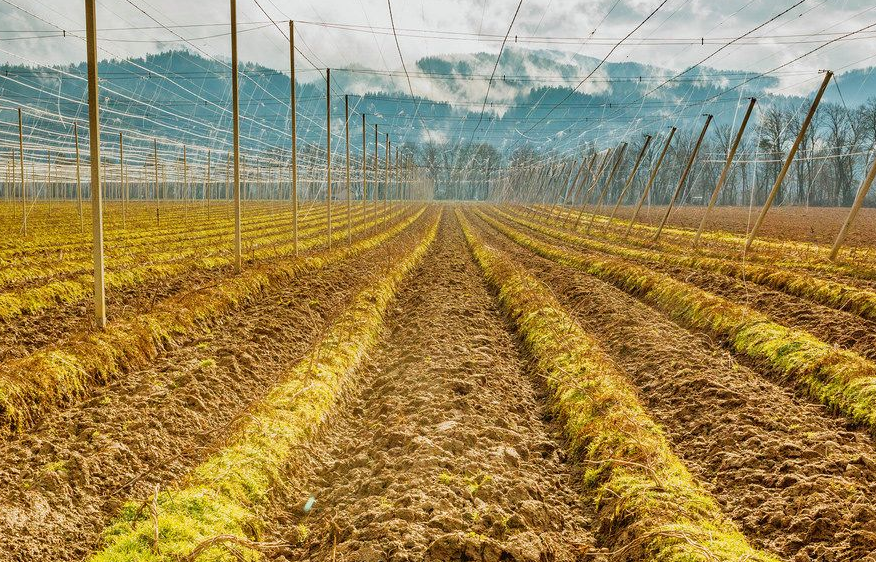
This redefinition could reshape the hemp market, pushing out products that get users high while protecting true industrial hemp growers. Farmers who grow for textiles or food might see less red tape, as the bill eases some testing burdens.
To show the differences clearly, here is a quick comparison:
| Aspect | 2018 Farm Bill | 2026 Farm Bill Proposal |
|---|---|---|
| THC Limit | 0.3% delta-9 THC | 0.3% total THC (incl. THCA) |
| Focus | Allowed some intoxicating items | Targets non-intoxicating only |
| Impact on Products | Loophole for delta-8, etc. | Bans high-THC derivatives |
Experts say this update aligns federal rules with science on how THC works in the body.
Federal Ban on Intoxicating Hemp Stays on Track
The 2026 Farm Bill does not touch the upcoming federal ban on intoxicating hemp products. Set for November 12, 2026, this ban stems from a provision added by Senate Republicans in the November 2025 government funding deal.
Under the ban, no hemp-derived items can have more than 0.4 milligrams of THC per serving. It also outlaws synthetics like delta-8 THC and unnatural ones like HHC. These rules go beyond the Farm Bill’s changes and target consumer products directly.
Industry groups pushed hard for a delay during the markup sessions. They argued for more time to adjust supply chains and avoid job losses. But committee leaders said regulating these products falls outside their scope.
One lawmaker noted during debates that a full framework for hemp edibles and vapes needs input from health agencies. This leaves the ban as is, with no extension in the bill.
Industry Faces Tough Road Ahead
Hemp businesses now scramble as the ban draws near. Many sell gummies, oils, and drinks with THC that could vanish from shelves. A report from early 2026 by the U.S. Hemp Roundtable estimated the industry at over $28 billion, with intoxicating products making up a big chunk.
Growers in states like Kentucky and Colorado worry about unsold inventory. Some look to export options in Europe before the deadline hits. Others call for separate bills to push back the ban to 2028.
Lawmakers from both parties filed measures like the HEMP Act to keep products legal longer. These aim to give the FDA time to set clear rules. But with the Farm Bill moving fast, those efforts stand alone.
Supporters of the ban point to safety concerns for kids and unregulated potency. They say it protects public health from untested items. Yet, farmers stress that hemp boosts rural jobs and innovation.
In one key finding, a 2025 study by the USDA showed hemp farming supports 65,000 jobs nationwide. Losing the intoxicating side could cut that number sharply if no fixes come.
As the bill heads to the floor, watch for amendments that might revisit hemp. Senate talks could bring more changes too.
The 2026 Farm Bill’s path forward highlights a clash between farm support and strict drug rules. It promises aid for traditional crops but squeezes the hemp world with no easy out from the ban. This shift could end a wild ride for an industry that exploded after 2018, leaving many to wonder about lost opportunities and tighter markets.

Maria Garcia is an award-winning author who excels in creating engaging cannabis-centric articles that captivate audiences. Her versatile writing style allows her to cover a wide range of topics within the cannabis space, from advocacy and social justice to product reviews and lifestyle features. Maria’s dedication to promoting education and awareness about cannabis shines through in her thoughtfully curated content that resonates with both seasoned enthusiasts and newcomers alike.