Young shoppers under 21 walked into stores across the Twin Cities and bought hemp-derived THC edibles without showing ID in about one out of every three tries. This eye-opening finding from a fresh University of Minnesota study raises big questions about how well stores follow age rules for these popular products. What does it mean for kids, parents, and the growing cannabis market? Stick around to find out.
A team from the University of Minnesota Cannabis Research Center sent out undercover buyers who looked young to test stores selling hemp edibles and drinks. These buyers tried to purchase items with THC, the stuff that gives a high, from various spots in Minneapolis and St. Paul.
The study showed that in 34% of attempts, no one asked for ID to prove the buyer was at least 21. That means roughly one-third of the time, these underage folks left with products they shouldn’t have. Researchers ran this test in late 2025, checking over 100 locations to get a clear picture.
This isn’t just a small slip-up. It highlights real gaps in how stores handle age checks for hemp-based THC items, which Minnesota made legal for adults a few years back.
The report, released just before the new year in 2026, points to uneven enforcement. Some places were strict, but others let things slide, putting young people at risk.
How Minnesota Law Plays a Role
Minnesota jumped into the hemp edibles game in 2022, allowing sales of low-dose THC products from hemp without needing special licenses. That opened the door for these items to pop up everywhere, not just in dispensaries.
You can find them in coffee shops, bike stores, arcades, and even hardware spots. State law says buyers must be 21 or older, just like for alcohol or tobacco. But without required licenses, there’s less oversight on who sells what.
This setup differs from full cannabis dispensaries, which started rolling out in 2025 with strict rules. Hemp products slipped through a legal loophole from the 2018 federal Farm Bill, but that might change soon.
A federal ban on intoxicating hemp products is set to kick in by November 2026, which could shake up Minnesota’s market. For now, the loose rules mean more chances for mistakes, like skipping ID checks.
Risks to Young People and Communities
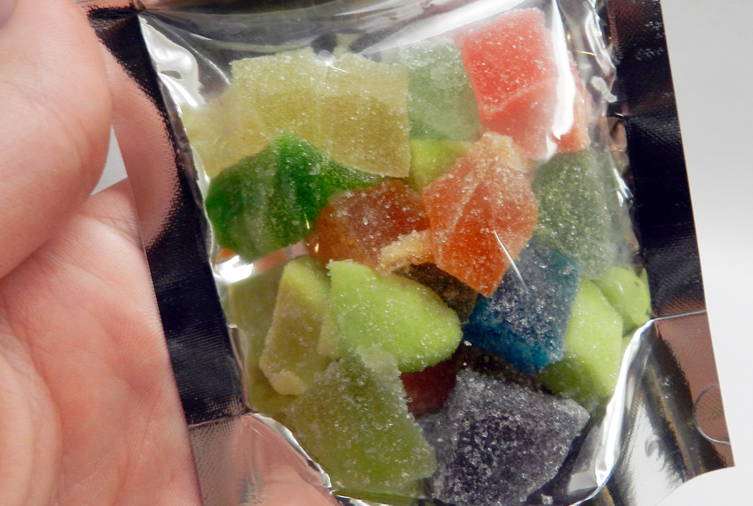
Easy access to THC edibles worries parents and health experts. These products can pack a punch, leading to stronger effects than users expect, especially for teens whose brains are still developing.
Studies from groups like the Centers for Disease Control and Prevention link early cannabis use to issues like poor school performance and mental health challenges. In Minnesota, where recreational weed became legal in 2023, keeping edibles out of kids’ hands is crucial.
Here’s what the risks look like in simple terms:
- Health dangers: Overdosing on edibles can cause anxiety, vomiting, or worse.
- Legal troubles: Stores could face fines if caught selling to minors.
- Community impact: Widespread access might normalize use among youth, sparking broader debates.
One parent in the Twin Cities shared that her teen came home with gummies from a local shop, no questions asked. Stories like this show how the study’s numbers hit home in real life.
The research didn’t just count failures; it noted that carding happened more often in bigger chains than small independents. That suggests training and policies make a difference.
Calls for Stronger Rules and Fixes
Lawmakers and advocates are buzzing about the findings. Some push for mandatory licensing for all hemp sellers to match cannabis shop standards.
The study’s lead researchers, including experts like Traci Toomey, call for better training on age verification. They suggest tools like electronic ID scanners, already used in some tobacco shops, to cut errors.
Minnesota’s Office of Cannabis Management is eyeing these issues as retail expands. With dispensaries opening more in 2026, blending hemp rules could help.
But change won’t come overnight. Businesses warn that tight rules might hurt small sellers, especially with the federal ban looming.
This study isn’t the first red flag. Earlier checks in 2025 found similar problems, but this one dives deeper into the Twin Cities scene.
As Minnesota fine-tunes its cannabis laws, the focus stays on protecting youth while supporting a booming industry.
This alarming study from the University of Minnesota shines a light on how easy it is for underage buyers to snag hemp edibles in the Twin Cities, with 34% slipping through without an ID check. It underscores the need for tighter controls in a state where these products are sold freely, from coffee shops to arcades, under loose laws. As federal changes loom in 2026, families and officials must act to shield young people from risks that could shape their futures.

Maria Garcia is an award-winning author who excels in creating engaging cannabis-centric articles that captivate audiences. Her versatile writing style allows her to cover a wide range of topics within the cannabis space, from advocacy and social justice to product reviews and lifestyle features. Maria’s dedication to promoting education and awareness about cannabis shines through in her thoughtfully curated content that resonates with both seasoned enthusiasts and newcomers alike.