Cannabis prices are tumbling across America, hitting record lows in states like Michigan where an ounce of flower now costs just $63. This drop signals big changes for consumers and businesses alike, but why the freefall and what does it mean for your wallet? Dive in to uncover the forces reshaping the weed market in 2025.
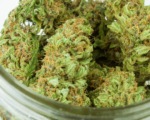
In 2025, cannabis flower prices reached all-time lows in several states, driven by oversupply and fierce competition. Michigan led the pack with an average retail price of $63 per ounce for dried flower, down from $419 in 2020 when adult-use sales began. That’s about $2.22 per gram, making it the cheapest in the nation, according to data from the state’s Cannabis Regulatory Agency.
This plunge isn’t isolated. California and Michigan now boast some of the lowest cannabis prices nationwide, offering consumers major bargains. In California, prices hovered around $150 to $200 per ounce in mature dispensaries, a sharp decline from earlier years. Meanwhile, newer markets like Ohio saw recreational sales top $1 billion in 2025, with average prices dipping as supply chains matured.
Prices vary wildly by state due to local factors. For instance, in the District of Columbia, high-quality cannabis averaged around $590 per ounce back in 2022, but recent trends show stabilization with slight dips as regulations evolve.
Consumers in states with established markets are reaping the benefits. One buyer in Detroit shared how the low costs make legal purchases more appealing than black-market options.
Factors Driving State-by-State Price Differences
Taxes and regulations play a huge role in what you pay at the dispensary. In Michigan, a 10% excise tax on recreational sales keeps prices low, but proposed hikes like a 32% wholesale tax could change that. States with higher taxes, such as New York, see prices up to $300 per ounce because of strict licensing and compliance costs.
Market maturity matters too. Older markets like Colorado have seen prices stabilize after initial booms, with an average of $100 to $150 per ounce in 2025. Newer ones, like Connecticut, reported a $6 drop per product since recreational sales started in 2023, as per state data.
Supply gluts are another big driver. In Michigan, which surpassed California as the top U.S. cannabis market by sales volume, oversupply from abundant growers pushed prices down. This contrasts with capped-license states like Illinois, where limited dispensaries keep prices higher, often $250 to $350 per ounce.
Competition from edibles and extracts is shifting dynamics. Operators are turning to these products for better margins as flower prices squeeze profits.
Here’s a quick comparison of average flower prices per ounce in select states for 2025:
- Michigan: $63
- California: $150-$200
- Colorado: $100-$150
- New York: $250-$300
- Connecticut: $200-$250 (down from previous years)
These figures come from industry trackers like Cannabis Benchmarks and state reports, highlighting how local rules create a patchwork of costs.
Trends Shaping the 2025 Cannabis Landscape
The cannabis industry saw record sales in 2025 despite falling prices, pointing to growing consumer demand. Massachusetts hit a new high with over 46.3 million transactions, up from 2024, even as prices declined. This growth shows more people are buying legal weed, boosting state revenues.
Nationwide, the U.S. Cannabis Spot Index fell to $1,072 per pound in early 2026, reflecting ongoing downward pressure. Analysts from Flowhub predict the market could reach $50 billion by 2026, fueled by legalization in more states.
Volatility remains a challenge. Wholesale prices fluctuated wildly in 2025, with regional disparities forcing businesses to adapt. Some turned to cost-cutting tech or long-term supply deals to survive shrinking margins.
In Ohio, nonmedical sales exceeded $1 billion since launching in 2024, with prices stabilizing around $200 per ounce. This success story illustrates how new markets can quickly scale up.
Experts note that while low prices help consumers, they strain small growers. One industry insider said the “pricing crisis” is weeding out inefficient players, paving the way for consolidation.
Challenges and Opportunities Ahead
As prices stabilize at lows, the industry faces hurdles like federal prohibition and varying state taxes. The Tax Foundation’s 2025 map shows recreational marijuana taxes ranging from 6% in Michigan to over 30% in some areas, directly impacting retail costs.
Inflation hasn’t touched cannabis like other goods. While everyday items rose in price, weed got cheaper due to efficiency gains and competition, as noted in a USA Today report from August 2025.
Looking forward, maturing markets may see prices bottom out. In states like Michigan, where sales generated $457.6 million in taxes in 2023 alone, further drops could slow if demand keeps rising.
Businesses are innovating to stay afloat. Expanding into online dispensaries and value-added products offers new revenue streams.
The big question is sustainability. With prices so low, will quality suffer or will it attract more users to legal channels?
In the ever-evolving world of U.S. cannabis, 2025 marked a turning point with prices hitting rock bottom in states like Michigan, offering huge savings for consumers while challenging businesses to adapt. This shift not only makes legal weed more accessible but also highlights the need for balanced regulations to support growth. As markets mature, these changes could reshape how Americans view and access cannabis, bringing hope for a more equitable industry.

Maria Garcia is an award-winning author who excels in creating engaging cannabis-centric articles that captivate audiences. Her versatile writing style allows her to cover a wide range of topics within the cannabis space, from advocacy and social justice to product reviews and lifestyle features. Maria’s dedication to promoting education and awareness about cannabis shines through in her thoughtfully curated content that resonates with both seasoned enthusiasts and newcomers alike.