Industrial hemp growers just scored their biggest victory in years. The powerful new farm bill draft unveiled Thursday by House Agriculture Chairman GT Thompson slashes red tape, kills the hated DEA lab rule, and finally lets farmers prove compliance without jumping through impossible testing hoops.
The breakthrough comes at a moment when cannabinoid hemp producers face existential threats from separate THC restrictions, making the timing perfect for the non-intoxicating side of the industry.
For six straight years, hemp farmers lived under a ticking time bomb. Federal law demanded every harvest be tested by a DEA-registered laboratory, yet barely a handful existed nationwide. The USDA kept pushing back enforcement because the rule was unworkable.
Thompson’s bill buries that requirement for good.
The new language forces USDA to work with DEA to accredit regular commercial labs for hemp testing. Farmers will no longer lose entire crops because they couldn’t find one of the few DEA-approved facilities hundreds of miles away.
One Midwest grower told me last month he spent $14,000 shipping samples overnight to the only DEA lab that would accept them. Those days appear over.
Farmers Gain Multiple Paths to Compliance
The draft goes further than just fixing labs. It gives growers four common-sense alternatives to prove their crop stays under the legal 0.3% THC limit:
- Visual inspections by trained state officials
- Performance-based sampling that tests fewer plants on proven clean farms
- Using certified seed with documented low-THC genetics
- Any similar method approved by USDA or states
A single hot test has ruined farmers even when 99% of their field was compliant. These new options dramatically reduce that risk.
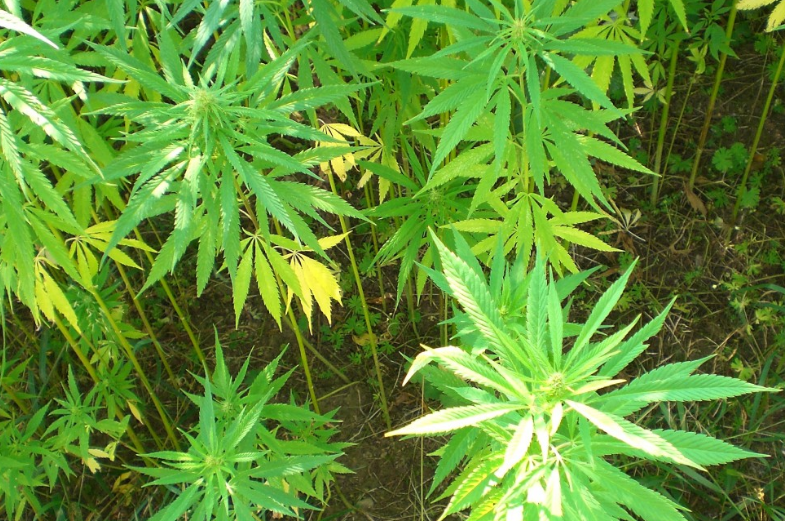
Why Industrial Hemp Wins While Cannabinoid Hemp Waits
The split between industrial and cannabinoid hemp has never been clearer.
Fiber, grain, and certified seed producers get immediate relief and stability through 2031 under Thompson’s bill. Meanwhile, CBD and delta-8 farmers still face looming crackdowns through separate legislation and FDA action.
One industry veteran put it bluntly: “Grain and fiber guys just got a five-year golden ticket. The cannabinoid side is still fighting for survival.”
What Happens Next
The House Agriculture Committee begins marking up the bill on February 23. While Democrats will push amendments, especially on SNAP funding, the hemp provisions enjoy strong bipartisan support.
Senate Agriculture Chair Debbie Stabenow has signaled openness to similar hemp reforms. Sources on both sides of the Capitol say the testing and lab fixes have real momentum to make the final package.
If passed before current farm bill extensions expire in September 2026, industrial hemp farmers will finally operate under rules written for reality instead of prohibition-era fears.
After a decade of false starts and crushed dreams, America’s original cash crop appears headed for genuine stability. For thousands of farm families who stuck with hemp through the hardest years, that stability arrives just in time.

Maria Garcia is an award-winning author who excels in creating engaging cannabis-centric articles that captivate audiences. Her versatile writing style allows her to cover a wide range of topics within the cannabis space, from advocacy and social justice to product reviews and lifestyle features. Maria’s dedication to promoting education and awareness about cannabis shines through in her thoughtfully curated content that resonates with both seasoned enthusiasts and newcomers alike.