The New Hampshire Senate just slammed the brakes on a hotly debated bill to legalize adult-use cannabis, leaving the state as the last holdout in New England. On February 19, after hours of tense floor time, leaders delayed the vote until March 5. This move has advocates fuming and residents wondering if change will ever come. What does this mean for your daily life and the economy?
Lawmakers in the New Hampshire Senate spent over six hours in session before deciding to put off debate on House Bill 186. Senate President Sharon Carson, a Republican from Londonderry, called for the special order that pushes the discussion to the next floor session on March 5. This bill, already approved by the House, aims to end the state’s long-standing ban on recreational cannabis use.
The delay keeps New Hampshire’s prohibition in place for now, frustrating supporters who see it as a step toward freedom. Carson’s action also stalls five other bills, showing the packed agenda in the GOP-controlled chamber. Residents near the borders with legalized states like Massachusetts often cross over for purchases, but this holdup means more of the same for locals.
One short fact stands out here. The Senate’s move comes amid rising calls for reform.
House Shows Bipartisan Support for Change
Back on January 7, the Republican-led House voted 208-135 to pass the Democratic-sponsored bill. This strong bipartisan nod highlights a shift in attitudes across party lines. Even some conservatives joined in, arguing that adults should have personal choice in the “Live Free or Die” state.
The vote marks the latest in a series of attempts to legalize cannabis here. In past years, similar efforts passed the House only to falter in the Senate. This time, the enthusiasm carried over, with lawmakers citing public demand and economic perks. Supporters point to polls showing broad backing, like a recent survey where 70 percent of Granite Staters favored legalization, including majorities from Democrats, Republicans, and independents.
Why the support? Many see it as a way to cut black market risks and boost state funds. The House’s action sets up a potential clash, as the Senate now holds the power to approve or block.
Details of What HB 186 Would Allow
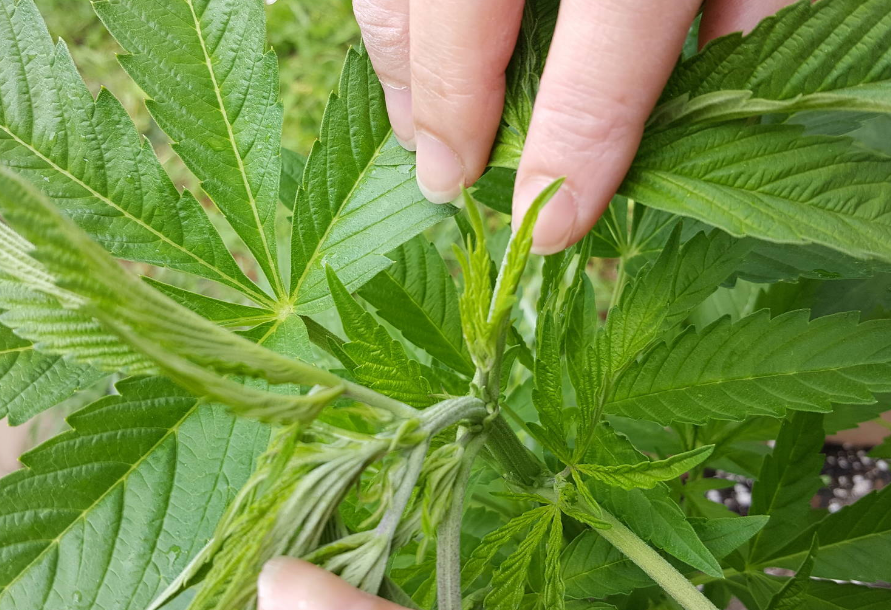
House Bill 186 lays out clear rules for adults 21 and older. It would let people buy and hold up to two ounces of cannabis flower, 10 grams of concentrate, or products with 2,000 milligrams of THC from licensed shops. Plus, home growing would be okay with up to six plants, three of them mature, for personal use.
This setup could transform daily life by offering safe, regulated access instead of underground dealings. Imagine safer options for those seeking relief or relaxation without fear of arrest. The bill also includes steps for licensing dispensaries, ensuring quality control and age checks.
To break it down simply:
- Possession limits keep things reasonable and prevent excess.
- Home grows promote self-sufficiency for small-scale users.
- Licensed sales would create jobs and tax revenue right away.
Experts note that states with similar laws see fewer arrests and better public health outcomes. For New Hampshire families, this could mean less worry about minor possession charges ruining lives.
New Hampshire Lags Behind New England Neighbors
New Hampshire stands out as the only New England state still banning adult-use cannabis. Neighbors like Massachusetts, Vermont, Maine, Rhode Island, and Connecticut have all moved forward with legalization in recent years. This leaves Granite Staters driving hours to buy legally, fueling a booming cross-border trade.
Take Massachusetts as an example. Since legalizing in 2016, the state has raked in nearly $2 billion in tax revenue from cannabis sales, according to state budget reports from 2025. That money funds schools, roads, and public safety. Jobs in the industry have exploded too, creating thousands of positions from growers to retailers.
In contrast, New Hampshire’s strict rules mean lost opportunities. A study by the Connecticut Center for Economic Analysis in 2023 projected that legalization could bring in up to $223 million annually here once fully running. Staying behind costs the state millions in potential funds that could ease taxpayer burdens. Public health experts add that regulated markets reduce risks from contaminated products.
Here’s a quick look at the regional picture:
| State | Legalization Year | Annual Tax Revenue (Latest Est.) |
|---|---|---|
| Massachusetts | 2016 | $500 million+ |
| Vermont | 2018 | $50 million |
| Maine | 2016 | $100 million |
| Rhode Island | 2022 | $80 million |
| Connecticut | 2021 | $150 million |
| New Hampshire | Not yet | $0 (prohibition ongoing) |
This table shows the gap clearly. As borders blur with tourism and trade, pressure mounts on lawmakers to catch up.
Broader Impacts on Residents and Economy
The delay sparks questions about why progress stalls despite clear benefits. Advocates argue that legalization would align with the state’s free-spirited motto, treating adults like responsible grown-ups. It could also cut down on court backlogs from minor weed cases, freeing resources for serious crimes.
On the flip side, opponents worry about youth access and road safety. But data from legalized states shows no big spike in teen use, per federal health reports. For everyday folks, this means continued uncertainty. Border shoppers spend money out of state, while local businesses miss out on a new market.
A 2025 poll from the University of New Hampshire found that 70 percent support comes from all walks of life, including 55 percent of Republicans. This broad appeal underscores the disconnect with some senators. Economic forecasts suggest that full rollout could add 5,000 jobs here within years, based on patterns in nearby states.
One key point to remember. Delays like this prolong inequities, hitting low-income communities hardest with enforcement disparities.
As the March 5 date approaches, eyes turn to the Senate floor. Will they finally debate and pass, or kick the can further? The wait tests patience but keeps hope alive for reform.
In the end, this cannabis legalization delay in New Hampshire highlights a tug-of-war between tradition and progress that touches every resident’s wallet and freedoms. From potential tax breaks to personal choices, the stakes feel personal and urgent. It’s a reminder that one state’s holdout status affects real lives, from families avoiding legal hassles to businesses eyeing growth.

Maria Garcia is an award-winning author who excels in creating engaging cannabis-centric articles that captivate audiences. Her versatile writing style allows her to cover a wide range of topics within the cannabis space, from advocacy and social justice to product reviews and lifestyle features. Maria’s dedication to promoting education and awareness about cannabis shines through in her thoughtfully curated content that resonates with both seasoned enthusiasts and newcomers alike.