Tennessee lawmakers took a bold step toward cannabis reform but stopped short of full support. On March 11, the state Senate committee voted down a bill to let adults grow marijuana at home, even as Republicans admitted the need for change in outdated prohibition laws. With the measure still alive in the House, could this spark bigger shifts in the Volunteer State?
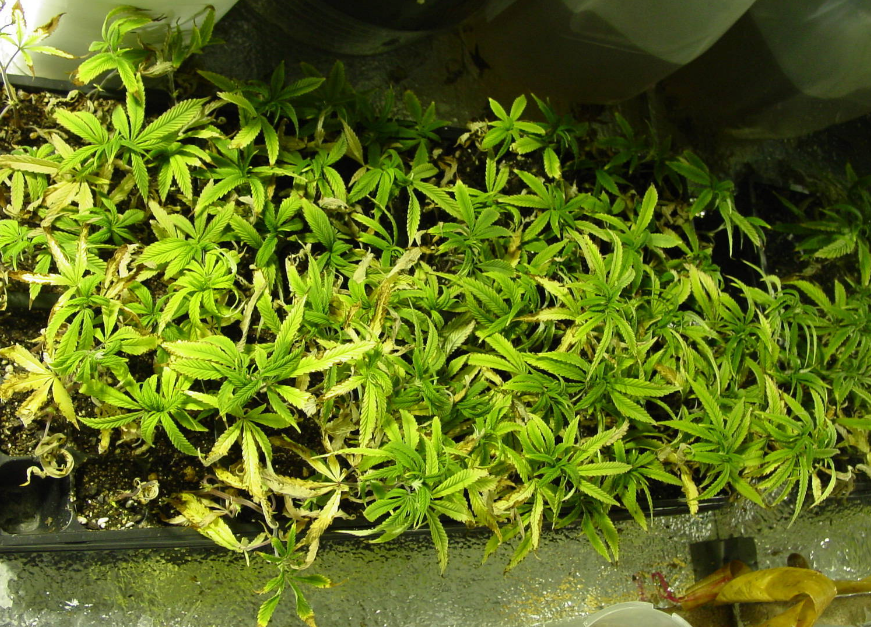
Sen. Janice Bowling from Tullahoma pushed the Freedom to Farm Act forward with hope. She introduced Senate Bill 2486 on March 11 in the Senate Energy, Agriculture and Natural Resources Committee. The plan targeted adults 21 and older, letting them cultivate cannabis plants right in their own backyards.
This bipartisan effort, matched by House Bill 2479 from Rep. Antonio Parkinson of Memphis, sought to ease strict rules. Prospective growers would register with the state Department of Agriculture for a three-year fee of $100. That simple step would allow one adult per home to tend up to 15 plants, but no more than five could mature at once. They could also keep up to one pound of dried flower from their harvest.
The bill included safeguards to keep things in check. Growers could share their crop on site without charge, but selling or moving it off property stayed illegal. This setup aimed to cut ties with the black market while respecting personal choice.
Lawmakers highlighted how this could help everyday folks. Many Tennesseans face jail time for small amounts of cannabis, even if used for relief. The proposal offered a clear path to comply with the law.
Senate Committee Debates Reform but Votes No
The committee room buzzed with tension during the hearing. Sen. Bowling made her case strong, saying the bill protects property rights and aids law enforcement. She noted it would create a system for controlled growth, bringing in money for veterans’ property tax relief.
But not everyone agreed. Republicans like Sen. Page Walley from Savannah spoke up about bigger issues. He said the legislature has fallen short on medical marijuana access and called for a full plan to tackle demand. Committee Chair Shane Reeves from Murfreesboro added that while medical cannabis delivery sounds good, this bill might not fit the bill.
In a tight 4-3 vote, the committee defeated the measure. No GOP members backed it, with two abstaining. Opponents worried about enforcement challenges, like spotting impaired drivers or handling the illegal trade worth over $1 billion in the state. They pushed for a wider approach instead of just home grows.
This defeat came as a surprise to some. Tennessee lags behind most states on cannabis policy. Only eight others lack a medical program, leaving even sick patients at risk of arrest.
Public views lean toward change. A Vanderbilt University poll from December 2024 showed 63 percent of voters favor legal recreational use. That includes 53 percent of Republicans and 78 percent of Democrats. Such support adds pressure on leaders to act.
House Holds Hope for Cannabis Home Grow Approval
The story does not end in the Senate. The companion bill waits in the House Criminal Justice Subcommittee. A vote could happen as early as March 18, keeping the fight alive.
Rep. Parkinson has championed this cause before. He stresses the bill targets personal use only, not big business. If it passes there, it heads to the full House and then back to the Senate.
Supporters see real benefits. The fiscal note projects $31 million in revenue from registrations in year one. That cash comes with low costs to run the program. Funds could ease burdens on taxpayers and boost state coffers.
Tennessee ranks second nationwide for marijuana arrests, per FBI data from 2024. Last year alone, thousands faced charges for possession. This bill could cut those numbers, freeing up courts and police for serious crimes.
Experts point to other states as models. Places like Colorado and California saw drops in arrests after similar laws. They also gained jobs and tax dollars from controlled systems.
| Key Bill Provisions | Details |
|---|---|
| Registration Fee | $100 for three years, one adult per home |
| Plant Limit | Up to 15 total, 5 mature max |
| Possession Allowed | 1 pound dried flower from own plants |
| Restrictions | No sales, no transport off site, no youth access |
| Revenue Projection | $31 million in first year |
This table shows how the plan stays focused and practical.
Cannabis Reform Gains Ground in Tennessee Politics
Tennessee’s cannabis debate heats up beyond home grows. Republicans now hint at medical marijuana soon. Top GOP leaders say federal rescheduling of marijuana could pave the way for state programs.
In recent sessions, bills for medical access have popped up. One Republican plan calls for a study on readiness, moving fast through committees. Senate Minority Leader Raumesh Akbari calls it an alternative to painkillers, something the state should have tried years ago.
The economic side shines bright too. Across the US, states with legal adult-use cannabis collected nearly $25 billion in taxes by 2025. That money funds schools, roads, and health care. For Tennessee, home grows could be a first step toward such gains.
Black market woes persist. Law enforcement struggles with hemp products mimicking marijuana, leading to new “hemp-killing” laws in 2026. These ban certain cannabinoids, but critics say they hurt farmers.
Voters feel the impact daily. Families deal with arrests that split communities. Patients seek relief without fear. This push for reform touches lives, offering hope amid strict rules that no longer match public will.
Change comes slow, but momentum builds. Past efforts, like nonbinding votes on cannabis, show growing acceptance. With federal shifts, Tennessee might join the 24 states with recreational laws.
As talks evolve, the focus stays on balance. Lawmakers weigh liberty against safety, revenue against risks. The home grow bill’s fate in the House could tip the scales.
In the end, Tennessee stands at a crossroads on cannabis policy. The Senate’s rejection highlights deep divides, yet admissions of needed reform signal real progress ahead. This fight affects families seeking relief, communities burdened by arrests, and a state eyeing economic boosts from smart changes.

Maria Garcia is an award-winning author who excels in creating engaging cannabis-centric articles that captivate audiences. Her versatile writing style allows her to cover a wide range of topics within the cannabis space, from advocacy and social justice to product reviews and lifestyle features. Maria’s dedication to promoting education and awareness about cannabis shines through in her thoughtfully curated content that resonates with both seasoned enthusiasts and newcomers alike.