A federal judge in Rhode Island just threw a wrench into the state’s hot cannabis market. U.S. District Judge Melissa R. DuBose granted a preliminary injunction on April 8, blocking the Cannabis Control Commission from issuing up to 20 new retail licenses. Out-of-state hopefuls cried foul over a rule demanding 51 percent local ownership, and now the lottery set for May sits frozen.
Three out-of-state residents filed suit, claiming Rhode Island’s rules shut them out unfairly. Justyna Jensen and Justin Palmore from California, plus John Kenney from Florida, argued the 51 percent in-state ownership rule breaks federal law.
Judge DuBose agreed the plaintiffs showed a strong case. She halted the process until the full challenge plays out. The ruling stops the state from picking lottery winners or enforcing the residency demand right now.
The Cannabis Control Commission had vetted 98 applicants. They planned to draw names soon for 20 spots out of a 24-license cap.
Residency Rule Under Fire for Discrimination
Rhode Island’s Cannabis Act sets strict ownership terms. Businesses must have majority stakes held by state residents to snag retail licenses.
Plaintiffs say this violates the Dormant Commerce Clause. That part of the U.S. Constitution bars states from favoring locals in business over outsiders.
It also hits Equal Protection standards, they claim. Judge DuBose noted the law openly picks Rhode Islanders first.
- Key arguments from the suit:
- Blocks interstate investment in a national industry.
- No real tie to public safety or health goals.
- Hurts competition and keeps prices high for buyers.
Social equity backers pushed the rule to help locals hit by past drug wars. But the judge saw it as likely unconstitutional.
Cannabis Market Feels the Squeeze Now
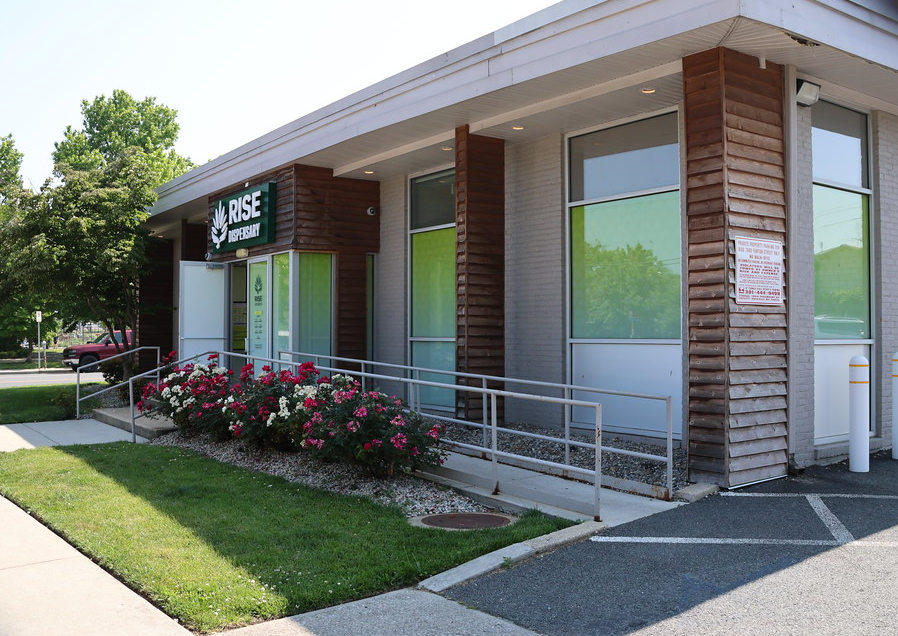
Rhode Island kicked off adult-use sales in December 2022 through eight medical holdovers. Those spots pull in about $120 million a year, per recent market analysis from early 2026.
Sales hit over $80 million in fiscal 2024 for recreational alone. Yet growth stalls with flat transaction sizes dipping from $36 to $35 lately.
Few stores mean long lines and higher costs. Adding 24 new dispensaries across six zones could flood the market with options and cut prices for everyday users.
| Zone | Planned Licenses | Current Stores |
|---|---|---|
| Zone 1 (Providence area) | 4 | 2 |
| Zone 2 (Warwick) | 4 | 1 |
| Zone 3 (Newport) | 4 | 1 |
| Zone 4 (Westerly) | 4 | 1 |
| Zone 5 (Cranston) | 4 | 2 |
| Zone 6 (North Smithfield) | 4 | 1 |
This table shows even spread aimed at balance. Delays keep the market tight.
Past Battles Set Stage for This Clash
Legal fights over these rules date back years. Earlier suits got tossed on technical grounds, but appeals revived them.
In late 2025, a federal appeals court breathed life into challenges. It questioned if cannabis falls outside Dormant Commerce protections.
Rhode Island defended the rule as needed for oversight. Locals know the turf best, they said.
But courts keep leaning toward open markets. Nearby states face similar tests.
Commission staff spent months scoring apps. Now that work gathers dust.
Road Ahead Full of Twists for All Sides
State leaders may appeal fast. A hearing could come soon to lift or extend the block.
CCC Chair F. Matthew Rodwick voiced worry over delays. Social equity groups like Co-op Rhody fear lost chances for communities.
Out-of-state players cheer the win. It opens doors wider.
For buyers, more shops mean easier access. Prices might drop 10 to 20 percent with competition, based on patterns in other states.
Lawmakers could tweak the act. Drop residency or add safeguards.
This freeze spotlights a bigger tug-of-war. States want control, but feds push fair play.
Rhode Island’s cannabis dream hangs in balance after years of hype. Eight stores serve a million residents craving more choice, better deals, and local jobs that stalled expansion promised. Buyers face uncertainty, but hope lingers for a fair fix that boosts everyone.

Maria Garcia is an award-winning author who excels in creating engaging cannabis-centric articles that captivate audiences. Her versatile writing style allows her to cover a wide range of topics within the cannabis space, from advocacy and social justice to product reviews and lifestyle features. Maria’s dedication to promoting education and awareness about cannabis shines through in her thoughtfully curated content that resonates with both seasoned enthusiasts and newcomers alike.