Congressional researchers just dropped a bombshell report that questions if the federal government can really crack down on intoxicating hemp products starting next year. This new ban, tucked into a recent budget deal, aims to wipe out popular items like delta-8 THC gummies and high-THCA flower. But with limited resources at key agencies, enforcement looks shaky. What does this mean for the booming hemp market and everyday users?
The federal government passed a law last month that redefines hemp in a major way. Starting November 13, 2026, products with more than 0.4 milligrams of total THC per container will count as illegal marijuana. This targets intoxicating items like delta-8 THC, HHC, and even some full-spectrum CBD that packs a mild punch.
Experts from the Congressional Research Service warn that this shift could upend the market, but real enforcement remains a puzzle. Their December 3 report highlights how the change makes many current products illegal overnight.
Lawmakers slipped this provision into a stopgap funding bill to end a government shutdown. It closes loopholes from the 2018 Farm Bill, which first legalized hemp with low THC levels. Now, anything that could intoxicate users faces the axe.
This isn’t just about pot alternatives. The ban hits drinks, edibles, and tinctures sold in gas stations and online shops across the country.
Why Enforcement Might Fall Short
Federal agencies like the FDA and DEA are supposed to police this ban, but the CRS report paints a grim picture. Researchers point out that both lack the staff and funding to chase down every violator.
For instance, the DEA focuses on major drug threats, and intoxicating hemp might not top their list. The FDA oversees food and supplements, but they’ve dragged their feet on hemp regulations for years.
One key issue is testing and tracking. Distinguishing legal low-THC hemp from banned products requires advanced labs, which many local enforcers don’t have.
States could step in, but that creates a patchwork. Some places like Texas already tried similar bans, leading to confusion and court fights.
The report notes past struggles. After the 2018 Farm Bill, hemp exploded, but feds couldn’t keep up with synthetic cannabinoids flooding the market.
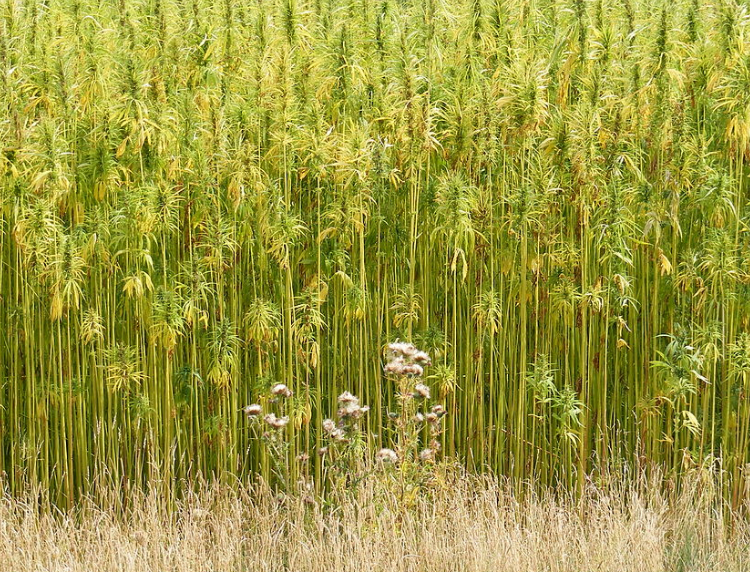
Impact on Businesses and Consumers
This ban threatens a massive industry. Recent estimates show the U.S. hemp market hit $28 billion last year, driven by demand for natural wellness products.
Companies are scrambling. Retailers in states without legal weed, like Texas and Florida, rely on these items as alternatives. A sudden cutoff could spark mass layoffs and drive sales underground.
Consumers face higher prices and less access. Popular THC drinks and edibles might vanish from shelves, pushing people toward riskier black-market options.
- Job losses: Analysts predict thousands of workers in farming, manufacturing, and retail could lose jobs if the ban sticks.
- Black market growth: Experts warn unregulated products could surge, raising safety concerns like contamination.
- Legal hemp survives: Non-intoxicating CBD with tiny THC traces might still thrive, but options will shrink.
One business owner in Colorado shared how his shop pivoted to hemp after cannabis taxes soared. Now, he’s worried the ban will force another shift.
Broader Questions for the Future
Beyond enforcement woes, the CRS report raises bigger issues about federal drug policy. Why target hemp when states are legalizing marijuana left and right?
Critics argue this protects big cannabis companies from cheap competition. The intoxicating hemp boom filled gaps in states without dispensaries, offering affordable highs.
Data from a 2024 industry survey by Brightfield Group shows over 40% of users picked hemp for its legality and lower cost compared to traditional weed.
Enforcement gaps might lead to court battles. Advocacy groups are already gearing up to challenge the law, claiming it oversteps on interstate commerce.
The report suggests Congress might need to pump more money into agencies or clarify rules. Without that, the ban could become a paper tiger, ignored in practice.
Looking ahead, this highlights tensions in America’s evolving stance on cannabis. As more states go green, federal moves like this feel out of step.
The federal hemp ban sets up a high-stakes showdown that could reshape how Americans access cannabis alternatives, but shaky enforcement leaves everyone guessing. It spotlights the need for smarter, resource-backed policies that match real-world demands.

Maria Garcia is an award-winning author who excels in creating engaging cannabis-centric articles that captivate audiences. Her versatile writing style allows her to cover a wide range of topics within the cannabis space, from advocacy and social justice to product reviews and lifestyle features. Maria’s dedication to promoting education and awareness about cannabis shines through in her thoughtfully curated content that resonates with both seasoned enthusiasts and newcomers alike.