In a bold move shaking up Michigan politics, a group of senators from both parties has launched a fight to kill a new 24 percent tax on cannabis that funds road repairs. This bipartisan push comes just weeks after the tax kicked in, sparking worries about job cuts and slumping sales in the state’s booming weed market. As drivers still curse the potholes, the battle over who pays to fix them heats up.
Eight Michigan senators, split across party lines, filed Senate Bill 810 on February 26 to scrap the controversial tax. Led by Republican Sen. Jonathan Lindsey from Coldwater, the group includes five Republicans and three Democrats. They aim to repeal the Comprehensive Road Funding Tax Act, which added the 24 percent wholesale levy on cannabis starting January 1. This act sits inside the state’s massive 81 billion dollar budget for the fiscal year.
The bill seeks to roll back to the original 10 percent wholesale tax that voters approved back in 2018 through a constitutional change. Lindsey has been vocal about his stance. He says the extra tax just bloats government spending without real need.
Supporters of the repeal argue it will ease the load on businesses already hit hard by the change. One Democrat co-sponsor even flipped her vote after seeing early fallout from the tax.
Road Fix Plan Sparks Fresh Debate
Gov. Gretchen Whitmer pushed the tax as part of her long-standing pledge to tackle Michigan’s crumbling infrastructure. She often talks about “fixing the damn roads,” a line that stuck since her first run for office. The new revenue was set to pump about two billion dollars a year into repairs for highways, bridges, and local streets.
In the 2026 budget, road funding totals nearly five billion dollars, blending federal aid, state cash, and this fresh cannabis money. Whitmer signed the budget in October 2025 after tough talks with lawmakers. Her team says the plan keeps promises to create thousands of construction jobs and make drives safer for families.
But critics point out the tax layers on top of what buyers already pay. There’s a 10 percent excise tax at the store and a six percent sales tax too. This stack up could drive prices sky high, they warn.
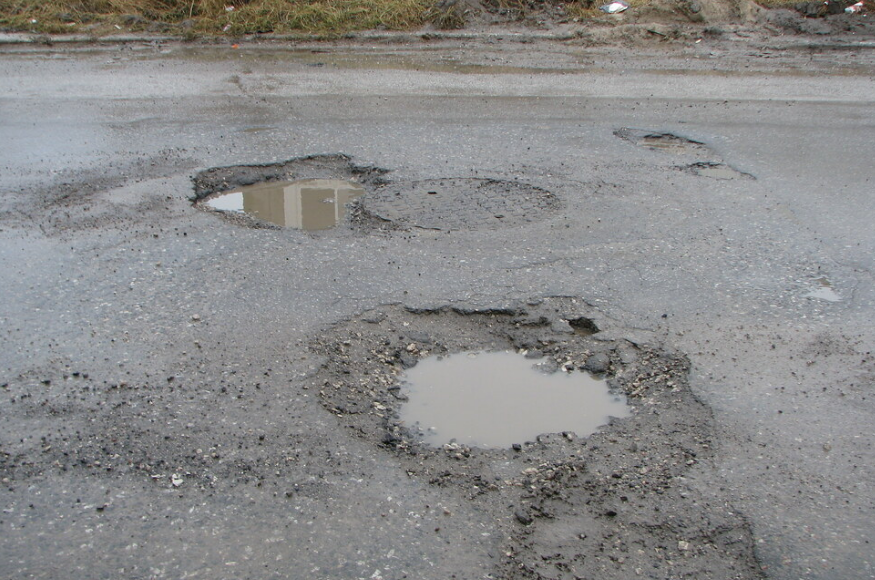
Cannabis Sales Take a Hit from Tax
Early numbers show the tax biting into Michigan’s cannabis scene right away. In January, the first full month under the new rule, legal sales dropped to 226.8 million dollars. That’s a sharp 15.9 percent fall from December’s 269.6 million dollars. Units sold fell even more, down 17.6 percent.
This marks the lowest sales in almost three years for the industry, which hit three billion dollars in value last year. Bad weather played a part, with heavy snow keeping folks indoors. But experts tie most of the dip to the tax hike pushing prices up.
Business owners report tough times. Some shops cut staff before the tax even started. Others fear more closures if sales keep sliding. The Michigan Cannabis Industry Association has flagged these issues, urging lawmakers to act fast.
Here’s a quick look at how the taxes stack up:
| Tax Type | Rate | When It Applies | Purpose |
|---|---|---|---|
| Wholesale Tax (New) | 24% | On sales from growers to retailers | Road repairs |
| Excise Tax | 10% | At retail purchase | General state revenue |
| Sales Tax | 6% | At retail purchase | Local and state funds |
This table shows why the combo feels like a squeeze to many in the market.
Lawmakers Weigh Industry vs. Infrastructure Needs
The bipartisan bill has mixed reactions in Lansing. Some see it as a win for small businesses fighting to survive. Lindsey stresses better budget control over endless tax grabs. He believes sales will keep dropping, so the tax won’t bring in the cash promised.
On the flip side, backers of the original plan worry about funding gaps for roads. Michigan’s infrastructure still ranks low nationally, with potholes causing billions in car damage each year. A recent study from the American Society of Civil Engineers gave the state’s roads a D grade in 2025.
Democrats in the group say they heard from constituents hit by higher prices. One co-sponsor noted the unexpected sales plunge changed her view. She now pushes for repeal to protect jobs in rural areas where cannabis grows strong.
- Key impacts on the cannabis sector include higher costs passed to buyers, leading to fewer purchases.
- Job losses have started, with some firms letting go of workers to cut expenses.
- Long-term, lower sales could mean less overall tax money for the state, hurting everyone.
Experts predict if the bill passes, it could boost the market back up. But getting it through both chambers and past a possible veto from Whitmer will take grit.
Future of Funding Hangs in Balance
As the bill moves forward, eyes turn to how Michigan balances its needs. The governor’s latest budget proposal for 2027 keeps road investments high at 1.6 billion dollars from the new plan. Yet she’s also eyeing housing fixes, showing a shift in priorities.
Lawmakers must decide if taxing one growing industry is fair for fixing old problems. The cannabis world adds real economic punch, with over 30,000 jobs statewide. Roads matter too, keeping commerce flowing and lives safe.
This clash highlights deeper talks on smart spending. Repeal could save businesses but leave pothole fixes short. Or sticking with the tax might steady funds at the cost of market health.
In the end, Michigan faces a tough choice between easing business burdens and paving a smoother path ahead. The state’s drivers and entrepreneurs alike feel the stakes.

Maria Garcia is an award-winning author who excels in creating engaging cannabis-centric articles that captivate audiences. Her versatile writing style allows her to cover a wide range of topics within the cannabis space, from advocacy and social justice to product reviews and lifestyle features. Maria’s dedication to promoting education and awareness about cannabis shines through in her thoughtfully curated content that resonates with both seasoned enthusiasts and newcomers alike.