A judge just struck down the state’s ban on mailing THC gummies and drinks, opening the floodgates for Minnesota’s booming low-potency hemp market.
ST. PAUL, Minn. — Minnesota businesses can now ship low-potency hemp edibles straight to customers across the state after an administrative law judge ruled the Office of Cannabis Management overstepped its authority. The decision, handed down February 12, delivers a major victory to the fast-growing industry and could add millions in new sales almost overnight.
Judge blocks state rule that forced in-person sales
Chief Administrative Law Judge Jenny Starr rejected the cannabis office’s claim that retailers must check IDs and look for visible intoxication in person before every sale. State law does require age verification and bars sales to anyone visibly drunk, but Starr wrote the agency had no power to limit those checks to face-to-face encounters.
“Nothing in the statute prohibits delivery or shipment,” Starr declared in her 22-page ruling. She called the office’s October 2024 FAQ guidance “an unpromulgated rule” and therefore unenforceable.
The case started when two trade groups, the Minnesota Cannabis Association and the Minnesota Hemp Association, joined forces with seven licensed retailers to challenge the shipping ban. They argued the restriction crushed small businesses outside the Twin Cities and hurt rural customers who live hours from the nearest store.
What the ruling means right now
- Companies with a low-potency hemp edible registration can mail or ship products directly to anyone 21 and older.
- Retailers still must verify age, often through third-party services that check IDs online or at delivery.
- Packages cannot go to visibly intoxicated people, a rule most shippers say they meet by using age-gated carriers like UPS or FedEx with adult-signature requirements.
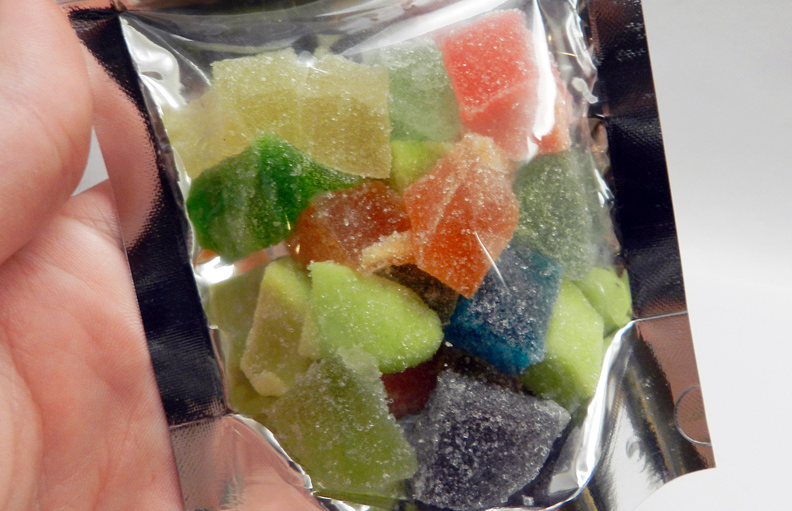
Sales of these products, which contain no more than 5 milligrams of THC per serving and 50 milligrams per package, exploded after Minnesota legalized them in 2022. The state collected more than $21 million in tax revenue from low-potency edibles and drinks in 2024 alone, according to the Minnesota Department of Revenue.
Industry celebrates, regulators stay quiet
“This levels the playing field,” said Steven Brown, owner of Nothing but Hemp in Minneapolis and one of the petitioners. “Customers in Duluth or Worthington shouldn’t have to drive four hours for the same products people in the metro buy every day.”
The Office of Cannabis Management declined to comment on the ruling Tuesday, saying only that staff are “reviewing the decision.” A spokesperson confirmed the office has already pulled the old FAQ language from its website.
Lawmakers may step in
Some legislators want tighter controls. Senator Jim Carlson, a Democrat from Eagan, told reporters he plans to introduce a bill next session that would again limit sales to in-person or state-approved delivery only. “We never intended for THC products to show up in the mail next to Amazon packages,” Carlson said.
Retailers counter that existing age-verification technology already works for alcohol, tobacco, and vaping shipments nationwide. They also point out that Minnesota still bans high-potency marijuana edibles outside the upcoming adult-use program, which begins retail sales March 1.
Next steps for consumers
Shoppers should start seeing “ship to Minnesota” options appear on websites within days. Many stores already use services like ID.me and Veratad to confirm age before processing orders. Delivery times will vary, but most companies promise two to five business days anywhere in the state.
Prices are expected to drop slightly as retailers no longer need expensive local delivery fleets. A 10-pack of 5-milligram gummies that cost $35 in stores often carried a $12 delivery fee under the old rules.
The low-potency hemp market has grown into a nearly $400 million industry in Minnesota since 2022, filling the gap while the state builds its regulated adult-use cannabis system. Industry analysts predict the new shipping green light could push annual sales past half a billion dollars by the end of 2026.
For thousands of Minnesotans who enjoy a mild THC buzz without the heavy high of traditional marijuana, the wait for legal edibles just got a lot shorter. One click, a quick ID scan, and that mango-flavored pack lands on the doorstep, fully within the law for the first time.
This ruling changes everyday life for adults across the state who rely on these products for sleep, pain relief, or simple relaxation. It proves once again that Minnesota’s hemp experiment keeps surprising everyone, even the regulators who wrote the rules.

Maria Garcia is an award-winning author who excels in creating engaging cannabis-centric articles that captivate audiences. Her versatile writing style allows her to cover a wide range of topics within the cannabis space, from advocacy and social justice to product reviews and lifestyle features. Maria’s dedication to promoting education and awareness about cannabis shines through in her thoughtfully curated content that resonates with both seasoned enthusiasts and newcomers alike.