In a dramatic Senate showdown, U.S. Senator Rand Paul fought hard to block new rules that could crush America’s booming hemp industry. His urgent push highlighted a clash between federal power and state rights, raising questions about the future of a $28 billion market. What does this mean for farmers, businesses, and everyday consumers?
Rand Paul took to the Senate floor on November 10, 2025, with a clear warning. He said a hidden provision in the government funding bill would destroy the hemp industry by banning intoxicating products like Delta-8 THC. This move would override laws in 23 states that already handle hemp regulation well.
Paul called it a federal overstep that ignores state efforts. He pointed out that states like Kentucky, his home state, have built strong rules for hemp farming and sales. These local laws keep things safe without killing jobs or businesses.
His emergency amendment aimed to strip out the harmful language. Paul argued that the bill’s strict limits on THC levels go way beyond what states allow. This could make many legal products illegal overnight.
The senator painted a grim picture. Farmers who switched to hemp after years of struggle might lose everything. He shared stories from Kentucky growers who rely on hemp for their livelihoods.
How the Legislation Threatens State Laws
The bill in question was part of a deal to reopen the government after a shutdown threat. It includes rules that define hemp strictly, banning any product with more than 0.3% THC if it causes intoxication. Paul said this nullifies state laws across the country.
Twenty-three states have their own hemp regulations. These vary but often allow higher THC in certain products. For example, some states permit Delta-8 sales with age limits and testing requirements.
By preempting these laws, the federal rule could shut down thousands of stores and farms. Paul estimated the industry supports over 100,000 jobs nationwide, based on recent reports from hemp advocacy groups.
In his speech, Paul highlighted Kentucky’s role. As a top hemp producer, the state has seen economic growth since hemp was legalized in the 2018 Farm Bill. He warned that the new rules would reverse that progress.
States like Colorado and Oregon, with mature cannabis markets, might feel the hit too. Their laws blend hemp with broader marijuana rules, creating a web of regulations now at risk.
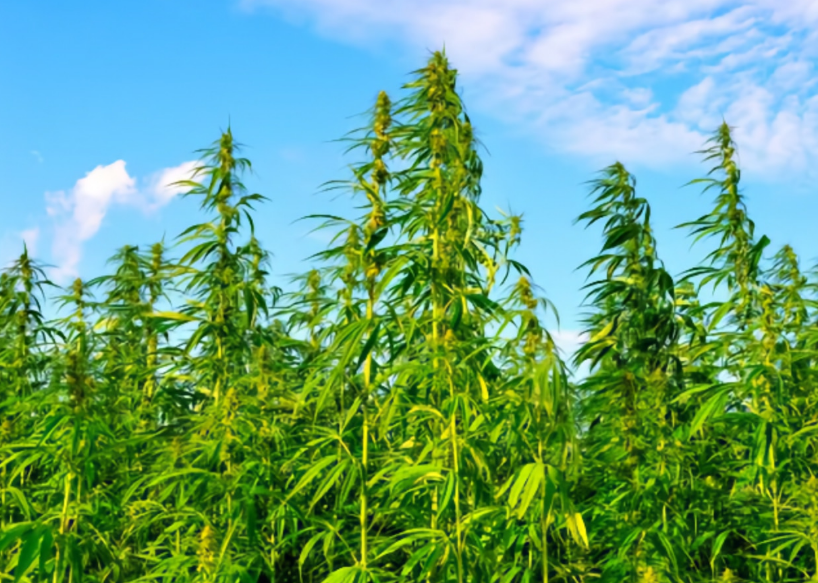
Paul’s team gathered data showing the industry’s rapid rise. From 2019 to 2024, U.S. hemp production jumped 400%, according to the U.S. Department of Agriculture’s latest figures released in early 2025.
The Failed Amendment and Immediate Fallout
The Senate vote came fast. Paul’s amendment lost 76-24, with most lawmakers prioritizing a quick end to the shutdown threat. The House kept the hemp language intact, and President Donald Trump signed the bill on November 12, 2025.
This defeat didn’t silence Paul. He vowed to keep fighting for hemp farmers. In a follow-up statement, he called the provision a “sneak attack” by big interests trying to control the market.
Industry leaders echoed his concerns. Groups like the U.S. Hemp Roundtable reported a surge in calls from worried business owners. They fear lawsuits and shutdowns as states scramble to adjust.
One key impact: Retailers selling hemp-derived CBD and THC products could face bans. This includes gummies, vapes, and oils popular for pain relief and relaxation.
Paul’s push drew support from unlikely allies. Some Democrats praised his defense of state rights, while conservative farmers rallied behind him.
Here’s a quick look at the potential economic hit:
- Job Losses: Up to 50,000 direct jobs in farming and processing, per industry estimates from 2025.
- Market Value Drop: The $28 billion industry could shrink by half within a year.
- State Revenue Loss: Taxes from hemp sales generate millions for local budgets.
Despite the loss, Paul’s effort put the issue in the spotlight. Hemp advocates now plan legal challenges, arguing the federal rule oversteps constitutional bounds.
Broader Implications for Farmers and Consumers
Beyond the vote, this fight reveals deeper tensions in U.S. agriculture. Hemp emerged as a lifeline for small farms hit by falling tobacco and corn prices. In Kentucky alone, over 500 farms grow hemp, producing everything from fiber to wellness products.
Consumers stand to lose too. Many use hemp items for anxiety, sleep, or chronic pain without needing a prescription. Banning these could push people toward riskier black-market options.
Paul has long championed hemp. He introduced the HEMP Act in 2024 to ease federal rules and boost the industry. That bill sought clearer guidelines on THC testing and interstate sales.
Looking ahead, experts predict court battles. States might sue to protect their laws, citing the 10th Amendment. Meanwhile, the FDA could step in with new regulations by mid-2026.
The clash also ties into bigger debates on cannabis reform. With marijuana legalization gaining ground, hemp’s fate could signal what’s next for federal drug policy.
Paul’s stance surprises some. Known for libertarian views, he argues for less government meddling in markets. This aligns with his past filibusters against overreach.
As winter approaches, hemp farmers prepare for uncertainty. Some are diversifying crops, while others lobby Congress for fixes in the next farm bill.
This federal hemp crackdown shakes up a thriving industry, overriding state innovations and threatening billions in economic value. It leaves farmers in limbo and consumers with fewer choices, sparking outrage over lost freedoms and jobs. Paul’s bold stand, though unsuccessful, ignites hope for future reforms that respect local control.

Maria Garcia is an award-winning author who excels in creating engaging cannabis-centric articles that captivate audiences. Her versatile writing style allows her to cover a wide range of topics within the cannabis space, from advocacy and social justice to product reviews and lifestyle features. Maria’s dedication to promoting education and awareness about cannabis shines through in her thoughtfully curated content that resonates with both seasoned enthusiasts and newcomers alike.