Wisconsin Governor Tony Evers is making a desperate stand against a federal crackdown on hemp products that could shatter the state’s booming industry. In a bold letter to Congress, he warns of massive job losses and economic ruin for farmers and businesses unless lawmakers act fast. This fight hits home hard in the Badger State, where hemp has become a lifeline amid stalled marijuana reforms.
Governor Tony Evers fired off his letter on February 27, 2026, straight to Wisconsin’s two U.S. senators and eight House members. The group includes Republicans like Ron Johnson and six others, plus Democrats Tammy Baldwin and two more. Evers demands a quick fix to dodge the pain from a new federal rule kicking in come November 2026.
He paints a clear picture of the stakes right up front. Without changes, this ban will crush hemp farmers, processors, retailers, and the whole economy in Wisconsin. Evers stresses that hemp products now fuel real jobs and growth, and losing them would hit rural areas the hardest.
The timing feels urgent. Farmers need to plan crops now for next year, locking in seeds and land months ahead. Evers calls on Congress to at least push back the deadline by two years, pointing to a bill like the Hemp Planting Predictability Act.
This plea comes as Wisconsin pushes its own state efforts to shield the industry. Lawmakers there have floated bills to set rules for hemp goods, aiming to keep things legal even if federal doors slam shut.
Details of the Federal Hemp Crackdown
The federal change redefines what counts as legal hemp, and it’s tough. Starting November 2026, products with synthetic stuff like delta-8 THC or unnatural ones like HHC get banned. Also off-limits: anything over 0.3% total THC, including THCA, or more than 0.4 milligrams of total THC per package.
This stems from a big federal spending deal last year to end a long government shutdown. That package slipped in these limits, catching many by surprise. For Wisconsin, where most hemp goes into edibles, vapes, and drinks, the rules could wipe out nearly all sales.
Experts say about 98% of the state’s hemp work ties to these consumable items. A report from late 2025 highlights how this shift would end business as usual for most players. The governor notes in his letter that many current products would suddenly become illegal, forcing shops to close overnight.
One short fact stands out. Hemp farming here has grown fast since federal laws eased it in 2018, but this twist threatens to reverse all that progress.
Hard Hits to Wisconsin’s Economy and Jobs
The numbers tell a stark story. Hemp-derived goods already pump over $700 million into Wisconsin’s economy and support close to 3,500 jobs. These figures come from recent state estimates tied to the industry’s role in manufacturing and retail.
This ban risks wiping out that $700 million and those 3,500 jobs if nothing changes. Small businesses, from family-run farms to corner stores, stand to lose big. In rural spots, where options are slim, this could mean empty fields and shuttered doors.
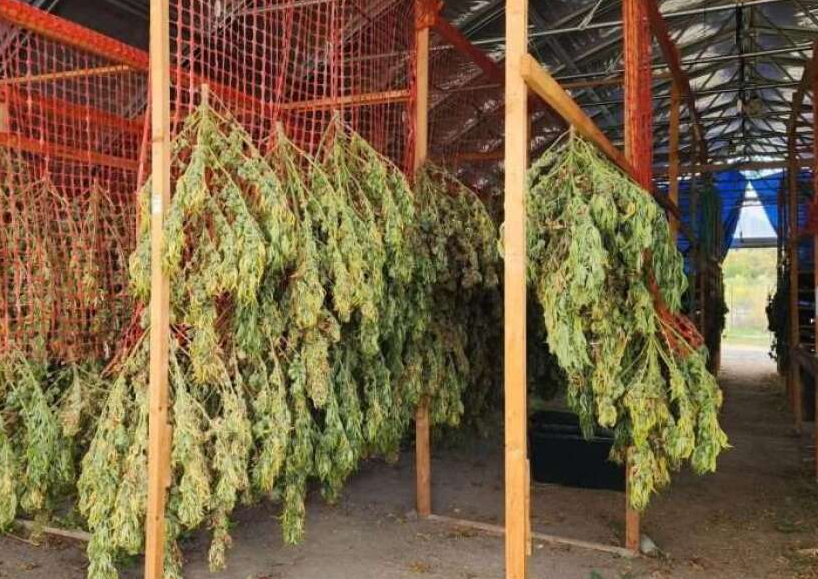
Take the farmers: As of November 2025, 470 held federal licenses to grow hemp. It’s a key way for them to mix up crops and boost income. But with uncertainty, many might skip planting for 2026, leaving land unused and families short on cash.
State data from early 2026 shows the broader ripple. Hemp helps local taxes and keeps money in communities. Without it, revenue could flow to neighboring states with looser rules or full marijuana markets.
To break it down, here’s a quick look at the key economic layers:
| Sector | Jobs Supported | Annual Economic Value |
|---|---|---|
| Farming | ~1,000 | $150 million |
| Processing & Manufacturing | ~1,500 | $300 million |
| Retail & Sales | ~1,000 | $250 million |
These rough splits show how spread out the impact is. Farmers feel it first, but everyone down the line pays the price.
Why Hemp Matters More in Wisconsin
What makes this extra rough for Wisconsin? Simple: no legal pot here. Evers’ team has tried multiple times to pass medical or recreational marijuana bills, but they keep stalling in the Republican-led Legislature. So hemp steps in as the go-to for folks seeking relief or relaxation.
The lack of marijuana laws amps up the hurt from this federal ban. Hemp products fill that void, drawing steady demand from residents. Banning them just pushes sales over borders, stealing jobs and taxes from right here.
Industry voices echo this. Owners of hemp shops say their stores thrive on these items, serving adults who want safe, tested options. A February 2026 survey of business leaders found most expect to fold without new protections. One owner called it a “billion-dollar cliff” if state rules don’t step up.
On the flip side, some worry about unregulated sales to kids or weak quality checks. That’s why Evers backs science-based fixes, not total shutdowns. He wants rules that keep things legit while saving livelihoods.
Nationally, the hemp scene booms. A 2023 report by Whitney Economics pegged the U.S. cannabinoid market at over $79 billion. Wisconsin grabs a solid slice, but only if federal folks listen.
State Responses and Future Outlook
Wisconsin isn’t sitting idle. Bills like SB 682 aim to create a homegrown system for hemp goods, with tests for safety and age limits. Republican leaders like Senator Patrick Testin push this, saying it protects consumers and the economy. The measure got bipartisan nods in early 2026 hearings.
Global trends add hope. The world hemp market hit $11 billion in 2025 and could quadruple by 2032. If Wisconsin adapts, it might grab more of that pie through fiber or other uses, not just consumables.
But time ticks. Farmers decide soon on 2026 seeds. Evers urges Congress to back delays or tweaks, like raising THC caps based on real science. Without it, rural towns could see empty Main Streets.
Experts predict short-term chaos if the ban hits full force. Long-term, smart state laws might rebuild, but at what cost? One analysis from late 2025 warns of up to 95% industry loss without action.
This saga shows how federal moves ripple to states. For Wisconsin, hemp isn’t just a crop; it’s a bridge to better times amid reform fights.
As this battle unfolds, the real winners could be everyday folks if leaders find common ground. Governor Evers’ push highlights a key truth: ignoring local needs hurts everyone. It stirs worry for family farms and hope for quick fixes that keep jobs alive.

Maria Garcia is an award-winning author who excels in creating engaging cannabis-centric articles that captivate audiences. Her versatile writing style allows her to cover a wide range of topics within the cannabis space, from advocacy and social justice to product reviews and lifestyle features. Maria’s dedication to promoting education and awareness about cannabis shines through in her thoughtfully curated content that resonates with both seasoned enthusiasts and newcomers alike.